ANZ
 Brazil
 American Latina
 France
 Germany
 Italy
 Portugal
 Nordics
 North America
 South Africa
 United Kingdom


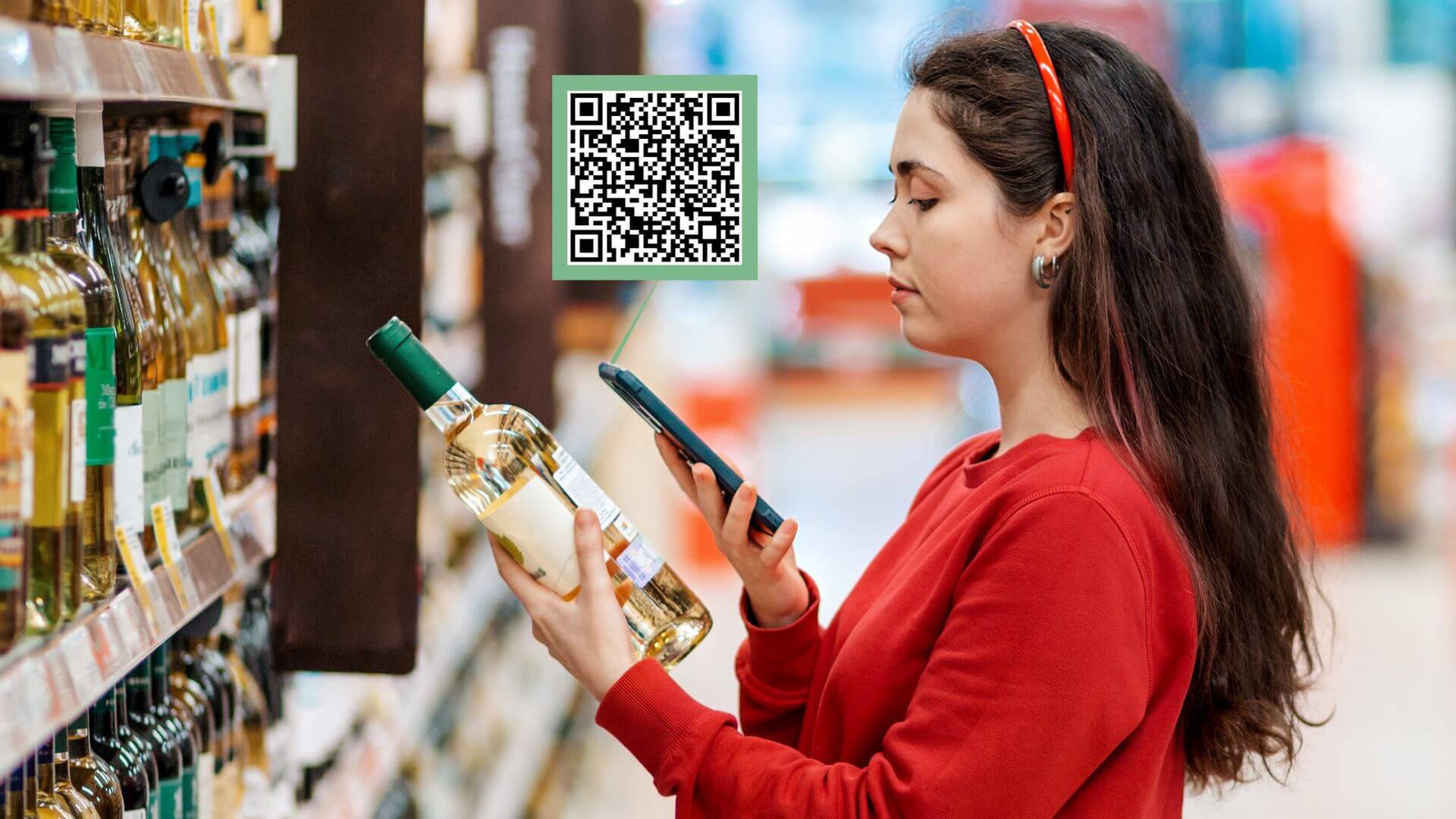
With household and marketing budgets being squeezed, the answer to keeping consumers happy could lie in connected packaging.
It’s no secret that times are tough for most people. The continuing cost of living crisis is squeezing household budgets and consumers are looking harder at their everyday purchases to make sure they offer value for money. But as consumers carefully examine their outgoings, brands are doing the same, trimming down all but the most cost-effective materials and processes to deliver as much revenue and ROI as possible.
Which is why the latest research on connected packaging is so surprising. The report from performance marketing company Merkle has found that UK consumers actively seek opportunities to engage with brands through connected technologies such as QR codes, visual search, augmented reality and NFC (near-field communication) tags – most of which are accessed through product packaging.
Get Yourself Connected
In such straitened times, you’d expect consumers to be completely focused on the contents of the packaging rather than the packaging itself, but Merkle’s report found that 84% of the population have engaged with at least one form of connected technology in the past month, with nearly a third (32%) engaging with them four or more times during the same period.
Exploring how consumers interact across digital and physical touchpoints, Merkle’s 2025 Connected Experiences Research Report states that connected experiences are growing in importance and popularity, with over a third of consumers (37%) more likely to purchase a product if it’s tied to one. More importantly, almost one in three (29%) consumers are willing to pay more for products that offer these connected experiences.
“As consumer expectations continue to rise, brands must move beyond fragmented campaigns to create seamless, integrated journeys across every touchpoint,” explains Ruth Bucknell, Merkle’s VP of Experience Design. “Connected experiences, from smart packaging and in-store interactions to digital displays and out-of-home activations, offer powerful opportunities to deepen engagement.”
Open Dialogue
One recent example of a connected experience accessed through brand packaging is Kellogg’s Town, which features interactive online games, competitions and offers. Created to boost customer loyalty across 23 European markets, the experience centres on a virtual town made up of Kellogg’s cereal boxes and features games such as Shelf Shuffle’, a brain training exercise, and ‘Crafting with Coco’, a range of activities that shows families how to transform cereal boxes into birdhouses and seed starters.
Using QR codes printed on packaging enables a brand to connect a physical purchasing moment to an online environment, which then opens up the opportunity for it to engage its customers through other channels such as social media and email. For the consumer, it offers a memorable and shareable experience, plus extra content and the chance to enter competitions and claim discounts.
“To drive real behaviour change, consumers need a compelling reason to engage,” said Bucknell, “whether that’s rewards, convenience or added value. When brands communicate the ‘why’ behind these experiences, they can turn passive curiosity into meaningful, sustained interaction.”
To download Merkle’s 2025 Connected Experiences Research Report, go to bit.ly/Merkle-Connected-Experiences