Brazil
 American Latina
 France
 Germany
 Italy
 Portugal
 North America
 United Kingdom
 Finnish
 Norway
 Polish
 South Africa
 Swedish
 Spanish
 Czech


The Age Of Newstalgia: Why Tangibility Is Winning In A World Of Dissonance.
We are living in what The Harris Poll calls “The Age of Dissonance”, a time when progress and pressure arrive simultaneously, and where inspiration about the future coexists with deep uncertainty about it. AI is unlocking creativity while raising fears of obsolescence. Culture is louder than ever, yet authenticity feels harder to find. Consumers are navigating contradiction daily, and increasingly, they are gravitating towards what feels real, grounded and human.
One of the clearest expressions of this shift is the rise of “newstalgia.”
Newstalgia describes a growing rejection of digital uniformity in favour of physical objects, analogue experiences and personal curation. It is characterised by a craving for texture, imperfection and authenticity, a deliberate move away from frictionless feeds and toward tangible proof of identity.
From Beigeification To Identity Rebellion
According to the report, the algorithm has optimised culture into “sameness”. From travel destinations to fashion aesthetics, digital platforms have created what 80% of consumers describe as a “copy-and-paste effect” in luxury travel. A striking 79% say high-end experiences have “lost their soul” to standardisation, and 72% won’t pay for luxury accommodations that look the same as everything else.
This uniformed copy-and-paste effect has triggered a backlash.
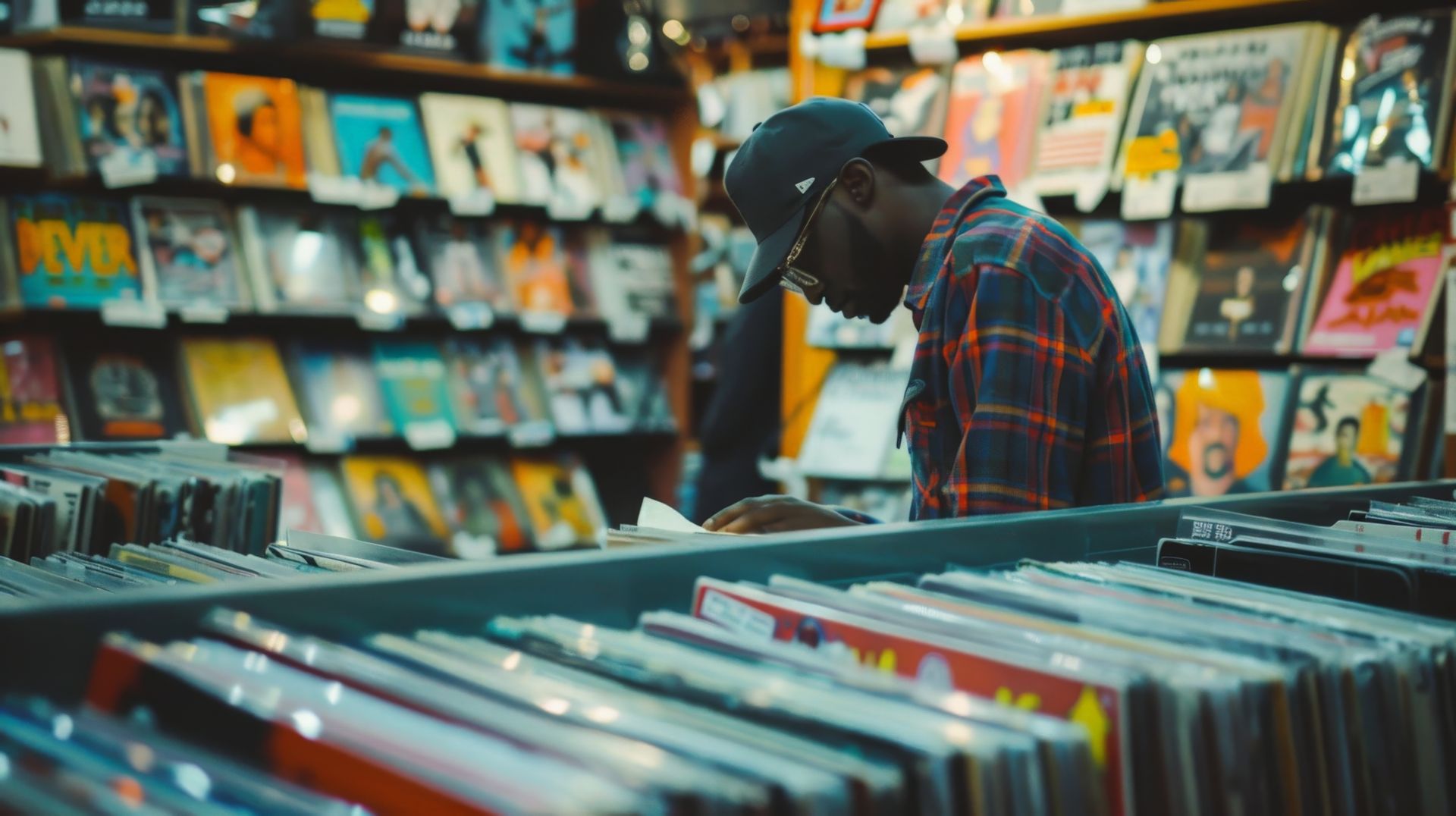
Enter newstalgia: a rebellion against algorithmic sameness and a reclaiming of individuality. A 2025 Tubi-Harris Poll found that 82% of Gen Z enjoy discovering content originally released more than ten years ago, signalling a renewed appreciation for the past as a source of identity. Meanwhile, data from The Harris Poll’s America This Week Tracker shows that 70% of Gen Z collect physical items like records, books or vintage clothing, as evidence of their identity, and 63% shop second-hand as both a style choice and a statement of resistance.
Discovery, for this generation, is not passive. It is an act of authorship. Individuality isn’t algorithmic, it’s earned.
Tangibility As A Trust Signal
One of the most powerful signals emerging from the report is a return to touch. In a world oversaturated with digital convenience, physical connection has become a form of luxury.
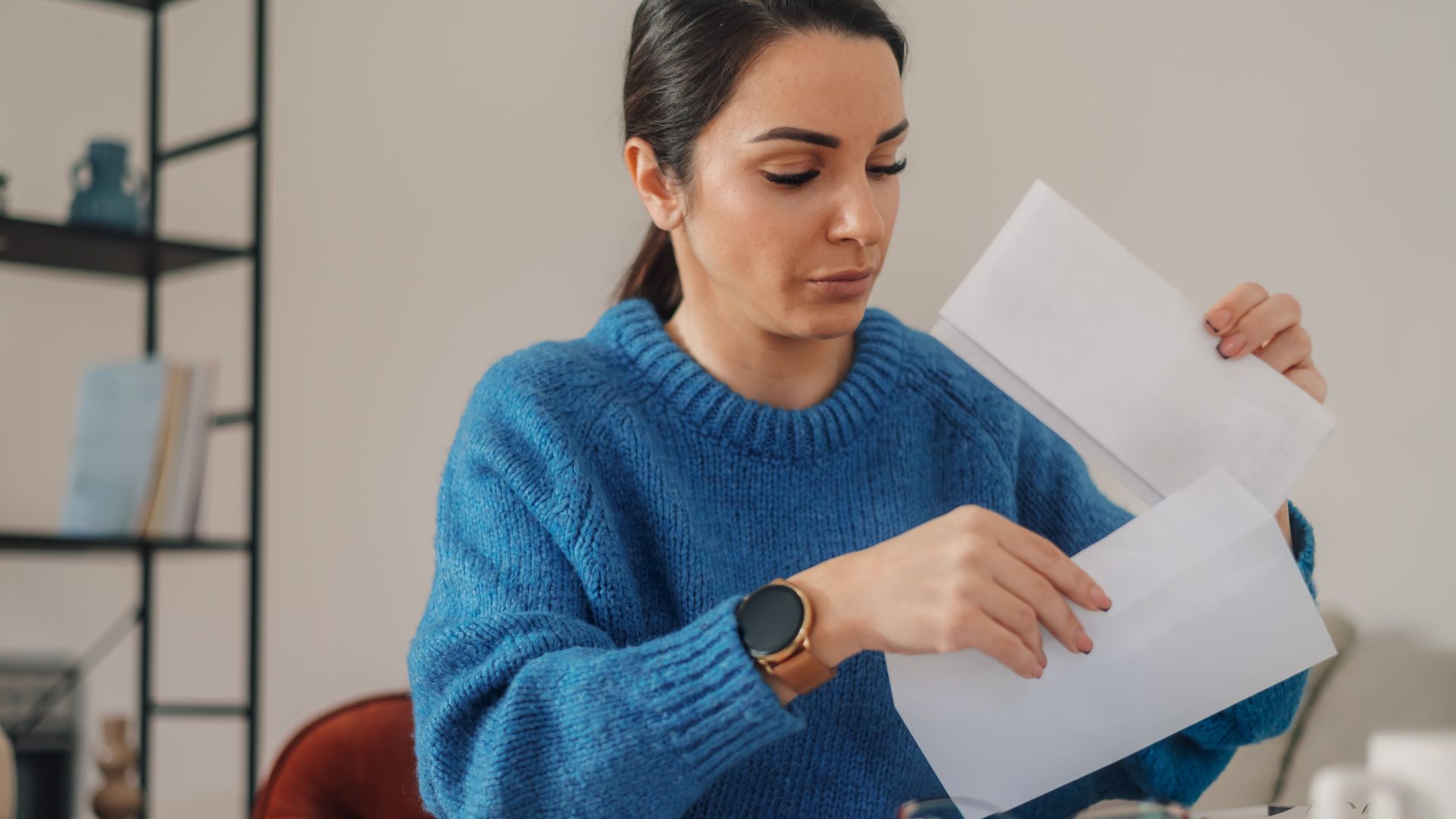
A 2025 Quad-Harris Poll found that 79% of Millennials look forward to receiving print catalogues, and 64% of Gen Z keep them as décor or creative inspiration. Tangibility has become a trust signal. Proof that something real exists beyond the scroll.
After years of touchscreen everything, touch itself now carries emotional weight. The texture of paper, the weight of a book, the ritual of flipping through a catalogue, these experiences slow us down. They create pause in a culture defined by speed. They offer permanence in a world of disappearing stories and fleeting feeds.
Print, in this context, is no longer simply a communication channel. It is a cultural counterweight.
The report also highlights that 77% of young consumers have planned a trip around visiting a brand in person, and 73% say shopping at a hyped retailer or pop-up feels like being part of a cultural moment. Physical presence and shared experiences are increasingly valued as anchors in an unstable world.
AI Hope Vs. AI Obsolescence
The longing for tangibility cannot be separated from the broader tensions shaping society. The report identifies a central paradox: AI is both muse and menace.
While 82% of young professionals already use AI at work, 65% of Gen Z report experiencing FOBO (fear of being obsolete) and 45% of Gen Z job seekers say AI has made their college education feel irrelevant. Technological acceleration has collided with stalled opportunity.
In this context, physical objects and analogue rituals offer reassurance. They are evidence of human creativity, craftsmanship and permanence. They represent work that cannot be automated away. It is no coincidence that 77% of Americans now believe a plumber has better job security than a product manager, and that skilled trades are being rebranded as durable and aspirational.
Hands-on expertise, like print production, carries renewed symbolic power.
Emotional Credibility Over Rational Messaging
The Age of Dissonance also reveals a breakdown in traditional logic. 81% of Americans say you need three backup plans for everything, and 73% of Gen Z and Millennials believe traditional financial advice is out of touch. In a culture where effort feels futile, belief becomes currency.
This has implications for brands. Rational messaging alone no longer inspires trust. Emotional credibility does.
Physical media plays a critical role here. A printed catalogue or beautifully produced book communicates care, permanence and investment. It feels deliberate. It shows fingerprints rather than templates. In contrast to automated feeds, it signals human intention.
The report advises brands to create “human friction as a feature,” to celebrate productive mess and to make discovery feel unalgorithmic. Print embodies these principles naturally. It invites serendipity. It allows for surprise. It rewards attention.
The Cultural Opportunity For Print
Newstalgia is not simply about nostalgia for the past. It is about reclaiming authorship in a world of optimisation. It is about resisting beigeification with texture, resisting automation with craft, and resisting ephemerality with permanence.
For brands, the opportunity is clear. In a volatile cultural landscape, distinctiveness matters more than efficiency. Sameness is safe and therefore invisible. Tangibility, imperfection and surprise create resonance.
As The Harris Poll notes, we are “no longer fluent in what’s next”. That uncertainty is not a weakness, it is an opening. It creates space for brands and media channels that feel grounded, human and real.
In the Age of Dissonance, print is not a relic. It is a reassurance.
And for a generation seeking identity, stability and authenticity, that reassurance has never felt more valuable.
To download the full Harris Poll report, go here!