Brazil
 American Latina
 France
 Germany
 Italy
 Portugal
 North America
 United Kingdom
 Finnish
 Norway
 Polish
 South Africa
 Swedish
 Spanish
 Czech



There may be plenty wrong with the world at the moment, but let’s celebrate the good things in the paper industry in 2025
By now, the number of times people are wishing you Happy New Year has dwindled to one or two a week. But it deserves one more mention: Happy New Year! And while you may not be feeling it with the cold weather and unpredictable political situation, this year does promise to be a happy one, especially in the print and paper world.
Since many may not be writing about the positive aspects of the industry, we have decided to concentrate on the many good things that are happening in our world, from the increasing rates of recycling across Europe to the expanding trend of swapping plastic packaging for paper and card.
At Two Sides, we believe in the power of print to increase sustainability and boost wellbeing, so here are our top four positives for the year to come:
Renewable Energy Surge
There’s little doubt that the burning of fossil fuels is a fundamental cause of climate change, which has been devastatingly obvious in the recent wildfires and floods that have caused billions of pounds of damage and years of heartbreak. So any increase in the use of renewable energy is to be celebrated.
In Europe, many countries are boosting their generation of renewable energy from solar and wind sources, with the UK and Germany leading the way. While the UK government is pushing plans to
triple the country’s solar energy capacity by the end of the decade, Germany announced that renewable energy accounted for 63% of its public net electricity generation in 2024, the country’s first full year without nuclear power production.
For the paper industry, using renewable energy is nothing new, with the European paper industry reducing its total primary energy consumption by 16% between 2010 and 2022 to a figure that’s lower than it was at the beginning of this century (CEPI, 2023). Now, 62% of the energy consumption of European pulp and paper mills comes from renewable sources while 96% of on-site electricity is produced by highly efficient combined heat and power units.
Recycling On The Up
The key to a more circular society is recycling and reusing. Whether it’s buying second-hand clothes or repairing faulty electrical goods, avoiding buying new when you could be reusing existing products is always going to be better for the environment. In the European paper industry, recycling is a vital part of the life cycle of its products, demonstrated by an impressive range of statistics.
According to CEPI, in 2023, the recycling rate for discarded paper and board in Europe rose to 79.3%, which is a record for the region. “We have been doubling our recycling since the 1990s,” said a delighted Jori Ringman, CEPI Director General. And not only is paper and board widely recycled across Europe, but that paper keeps on being recycled – on average 3.5 times – making it one of the most sustainable materials on the planet.
From Plastic To Paper
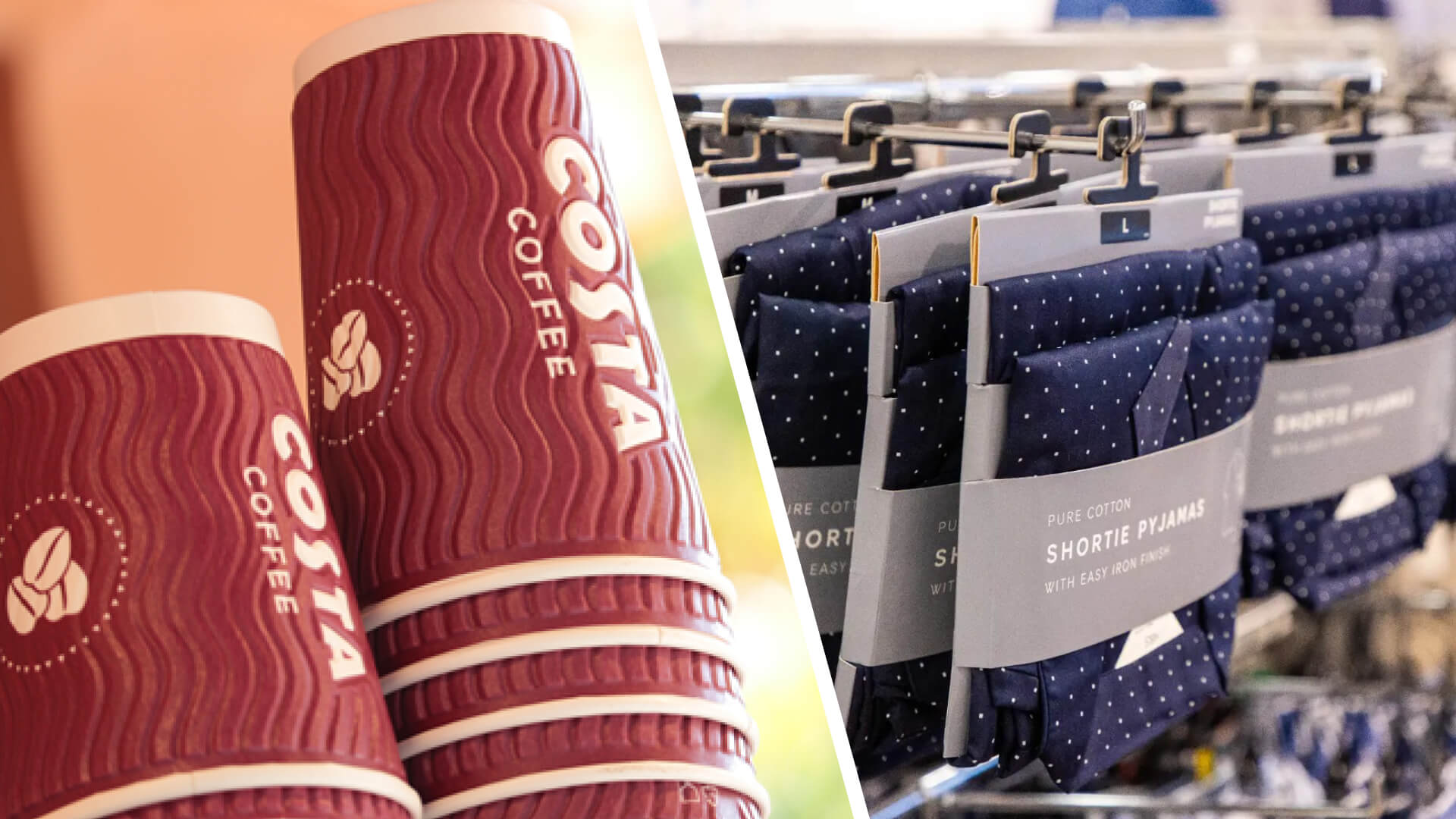
One of the key trends in retail over the past few years has been swapping plastic packaging materials for paper and card – a trend that will continue well into the future. From Tesco using paper to package its range of luxury pastas to Quality Street converting their iconic plastic tubs to cardboard, every day seems to bring a new packaging innovation that delivers the same properties as plastic but is fully recyclable in the paper waste stream.
This year promises to bring more paper packaging to the shelves – something that younger generations are keen to embrace. Emerging at the end of last year, the term ‘Paperisation’ describes the adoption of paper-based packaging solutions by ‘Papertarians’ – Gen Z and Millennials who actively choose paper-based products for their sustainable qualities.
Delightful Direct Mail
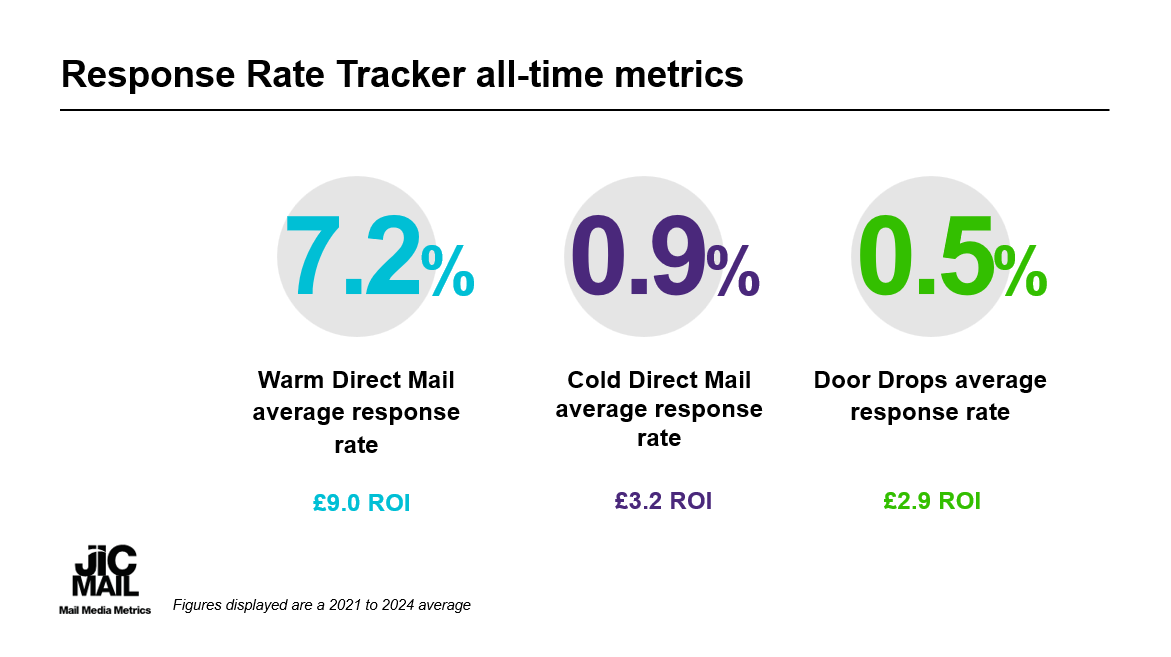
While marketing directors are feeling the squeeze on budgets across the board, many continue to be big fans of direct mail and doordrop. With study after study demonstrating their ability to gain and keep attention, as well as driving customers online and compelling them to make a purchase, the volumes of both DM and doordrop continue to increase. In addition, consumer engagement metrics such as frequency of interaction, item reach, mail lifespan and mail attention have all increased, showing exactly why companies continue to invest in the medium.