Brazil
 American Latina
 France
 Germany
 Italy
 Portugal
 North America
 United Kingdom
 Finnish
 Norway
 Polish
 South Africa
 Swedish
 Spanish


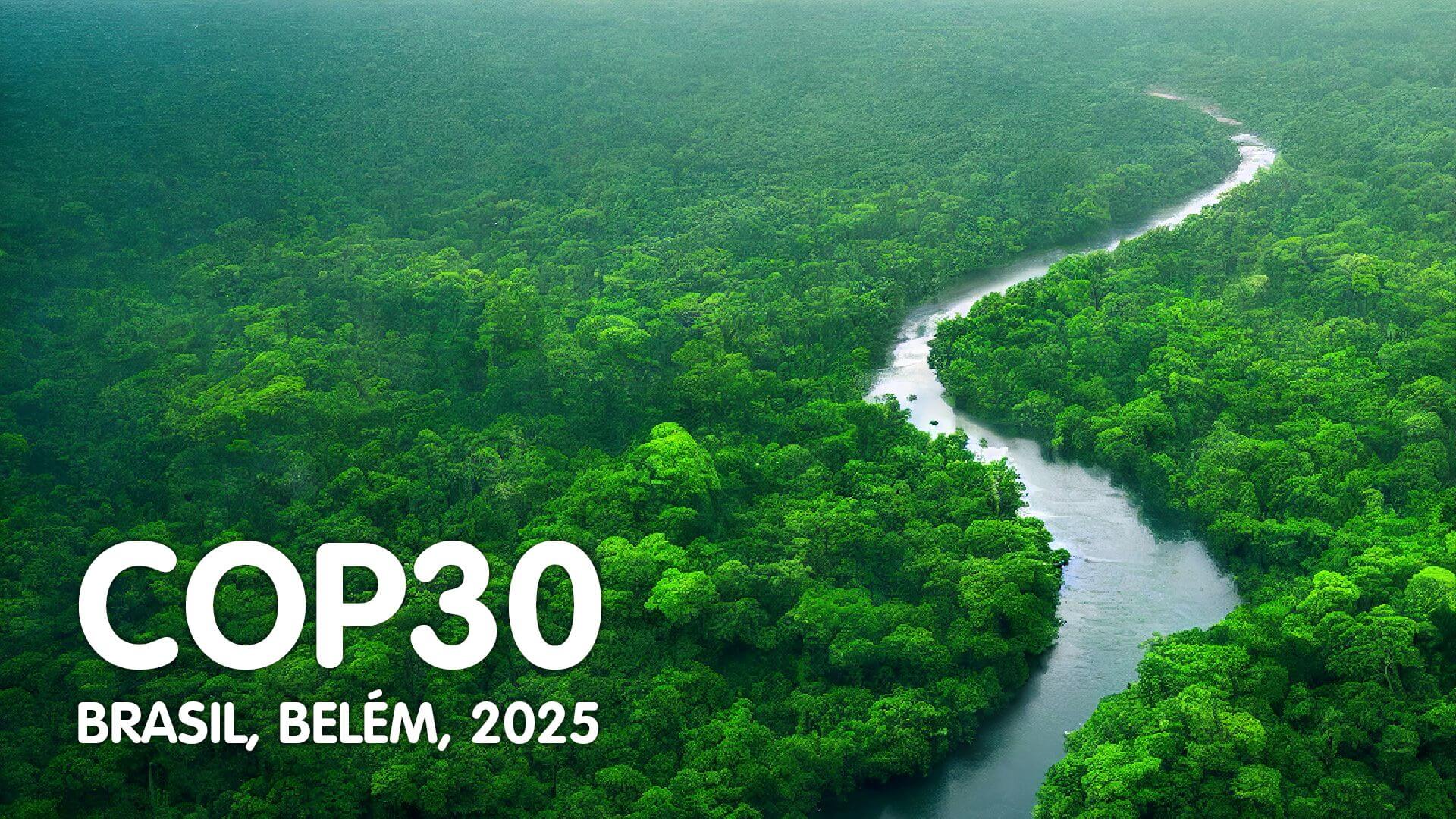
What the outcomes of the recent COP30 environmental conference mean for the paper and packaging industries.
After almost two weeks of debate, discussion and even a fire in the venue, the 30th United Nations Climate Change Conference (COP30) ended with a mixed outcome that carries a number of key implications for the paper and packaging sectors. As the first COP in the Amazon rainforest, it aimed to be an “implementation COP” focused on turning climate aspirations into concrete action, yet its outcomes offered both progress and frustration for the global industries dependent on forest resources and circular systems.
The Mutirão Text
The centrepiece of COP30 was the Mutirão text, which combined four negotiation tracks covering mitigation, finance and trade barriers into a single agreement. Countries agreed to mobilise at least $1.3tr annually by 2035 for climate action, alongside tripling adaptation finance. For the packaging industry, this financial commitment signals increased investment in sustainable infrastructure, including recycling facilities and circular economy systems that paper and packaging companies will potentially benefit from.
Forestry Protection
However, COP30’s handling of deforestation proved deeply contentious. The President of COP30, André Corrêa do Lago, announced plans to create two voluntary roadmaps: one to halt and reverse deforestation and another to transition away from fossil fuels. However, despite more than 80 countries calling for a roadmap to phase out fossil fuels and halt deforestation, these demands did not make it into the final binding text.
The Tropical Forests Forever Fund, which aims to halt the loss of tropical forests, raised $5.5bn and now includes 53 participating countries, with at least 20% of resources going directly to indigenous people and local communities. This fund represents an opportunity for paper producers to source from sustainably managed forests, although some environmental groups criticised the outcome as insufficient. Critics argued that forests are at the crossroads of climate change and biodiversity loss, and that voluntary engagements create an invitation for industries such as agriculture to continue profiting from forest destruction.
The Circular Economy
One key organisation that attended the conference was the World Packaging Organisation, which partnered with the United Nations Industrial Development Organization (UNIDO) to host a discussion on sustainable food systems. The session emphasised that safe, functional, resource-efficient and recyclable packaging that extends product shelf life minimizes waste and helps to achieve climate targets.
A landmark development was the launch of the Global Circularity Protocol for business, providing the first standardised framework for companies to quantify, manage and communicate their circular performance across value chains. This represents a critical tool for paper and packaging companies seeking to demonstrate their sustainability credentials through measurable metrics.
The European paper industry’s existing achievements are incredible demonstrations of these global ambitions. The paper recycling rate in Europe currently stands at 75.1%, the highest rate globally, while the recycling rate for paper-based packaging is 83.1%. These figures position the sector as a model for the implementation of the circular economy.
Onwards And Upwards
For the paper and packaging industries, COP30’s outcomes create both opportunities and challenges. The conference reinforced that the global shift toward low emissions and climate-resilient development is “irreversible and the trend of the future”, with investments in renewable energy now outpacing fossil fuels by two to one.
The absence of binding commitments on deforestation may be seen as disappointing, but the voluntary roadmaps and increasing financial mechanisms for forest protection are an indication that sustainable sourcing will become non-negotiable. The launch of standardised circularity metrics mean that companies will face growing pressure to report their environmental performance.
One sign of positivity was the launch of the ‘Global Implementation Accelerator’, which aims to keep members on track to meet the 1.5°C target, suggesting that future COPs will scrutinise implementation rather than merely setting goals. For the paper and packaging industries, this means the decade ahead will require substantial investment in circular systems, sustainable sourcing and measurable progress toward forest protection and climate neutrality.
For more information on COP30, go to news.un.org