ANZ
 Brazil
 American Latina
 France
 Germany
 Italy
 Portugal
 Nordics
 North America
 South Africa
 United Kingdom



Professor Mark Maslin explains the alarming consequences of climate change and what we can all do about it.
As professor of climatology at University College London, Mark Maslin is one of the world’s leading experts in global and regional climate change. He has 10 books, over 50 articles and more than 160 papers about climate change to his name, as well as appearances on numerous radio and TV shows, so understands the facts about how carbon emissions are changing the world’s weather systems and their effects on people’s daily lives.
Sounding The Alarm
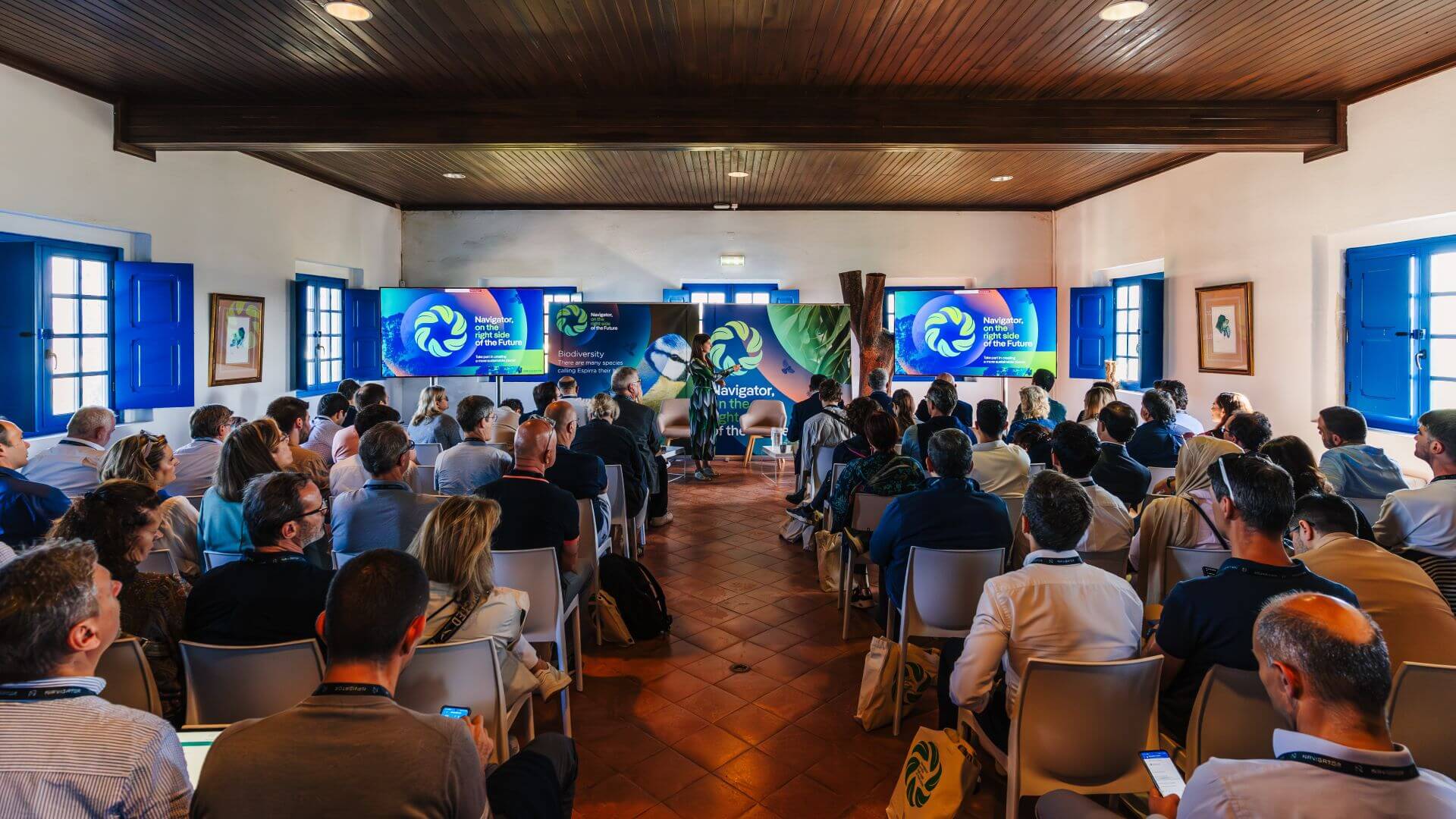
Speaking at the latest partners meeting for the Carbon Balanced Paper and Print programme, Maslin delivered a presentation that alarmed and enthralled in equal measure, providing a detailed explanation of the origins of climate change and its devastating consequences.
“Since the beginning of the Industrial Revolution, we have increased CO2 by 50%,” he calmly stated. “We now have the highest level in the last three million years while methane levels have increased by 150%. The year 2024 was the warmest ever recorded, with ocean temperatures increasing and sea levels creeping up. And if any of you like skiing or snowboarding then I would do it now, because spring snow cover has reduced significantly every year since the 1970s.”
Climate Consequences
The effects of climate change are all around us: more extreme storms, floods, droughts, heatwaves and wildfires, all of which may lead to food and water insecurity. Maslin gave the example of London temperatures hitting 40ºC in July 2022 – that’s 16ºC warmer than the peak temperature in the previous 10 years.
“That led to thousands of excess deaths from the heat, as well as a billion potential work hours lost,” said Maslin. “As it gets hotter and more humid, there are days when it’s physiologically impossible to work outside, which affects construction and food production. So there’s a huge impact on supply chains and cost.”
And Now The Good News
However, it’s not all apocalyptic doom and gloom. There are solutions available for governments, companies and individuals.
“Governments need to step up with regulation and incentives that have real impact, while corporations need to actually think about how to get to net zero as quickly as possible. And, of course, individuals can also influence government and corporations, so all three need to come together to make a change.”
For more information on Carbon Balanced Paper, go to www.carbonbalancedpaper.com